
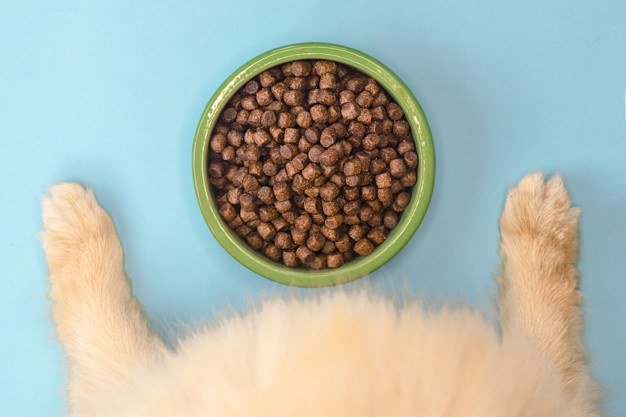
Why Is My Cat Not Eating? 8 Common Causes & When to See a Vet
A cat that skips a meal every now and then usually isn’t cause for panic. Cats can be particular creatures, and sometimes they simply aren’t in the mood. But when your cat stops eating altogether — refusing meal after meal, turning away from food they normally devour — that’s a signal you need to pay attention to. Unlike dogs, who can often ride out a day or two of fasting without serious consequences, cats are physiologically vulnerable to even short periods without food.
Here’s the critical thing every cat owner needs to understand upfront: a cat that hasn’t eaten for 24-48 hours is at risk for a serious, potentially fatal liver condition called hepatic lipidosis (fatty liver disease). When cats stop eating, their bodies begin mobilizing fat reserves for energy. The problem is that a cat’s liver isn’t built to process large amounts of fat at once. The fat overwhelms the liver cells, the liver starts to fail, and without aggressive veterinary treatment, the outcome can be fatal. This isn’t a rare, fringe complication — it’s one of the most common liver diseases in cats, and it can develop in any cat that stops eating, regardless of age or breed.
That’s why figuring out why your cat isn’t eating — and acting quickly when needed — matters so much. This guide covers the eight most common reasons cats stop eating, what you can look for at home, what you can try on your own, and the red flags that mean it’s time to get to the vet without delay.
How Long Can a Cat Go Without Eating?
Before we get into the specific causes, let’s establish the timeline, because the clock matters with cats.
A healthy adult cat can technically survive for one to two weeks without food, but serious organ damage can begin within 24-48 hours of complete food refusal. The hepatic lipidosis risk is real and escalates quickly, especially in overweight cats, who have more fat reserves to flood the liver with. Kittens are even more vulnerable — a kitten that hasn’t eaten in 12-24 hours needs veterinary attention, because their smaller bodies have almost no reserves and their blood sugar can drop dangerously fast.
As a general rule:
- Missed one meal but acting normal otherwise? Monitor closely. Offer food again in a few hours.
- Not eating for 12-24 hours? Try the at-home strategies listed below. Watch closely for other symptoms.
- Not eating for 24+ hours? Call your vet. If your cat also isn’t drinking water, has other symptoms (vomiting, lethargy, hiding), or is a kitten or senior cat, treat this as urgent.
- Not eating for 48+ hours? This is a veterinary emergency. Do not wait longer.
With that framework in mind, let’s look at what might be behind your cat’s appetite loss.
8 Common Reasons Your Cat Isn’t Eating
1. Stress and Environmental Changes
Cats are creatures of routine, and they’re far more sensitive to environmental disruption than most people realize. What seems like a minor change to you can register as a five-alarm crisis to your cat. A new piece of furniture, a houseguest, construction noise outside, a new pet, a move to a new home, even rearranging the room where they eat — any of these can cause a cat to stop eating.
Why it happens: Stress triggers a physiological response in cats that suppresses appetite. In the wild, a stressed cat is a cat that perceives danger, and an animal in danger doesn’t stop to eat. Your indoor cat’s nervous system doesn’t distinguish between “there’s a predator nearby” and “the neighbors are renovating their kitchen and it’s really loud.” The stress response is the same.
Signs to look for: Hiding more than usual, changes in litter box habits, over-grooming or under-grooming, aggression, excessive vocalization, or a general “on edge” demeanor. The appetite loss usually coincides clearly with whatever change happened in the environment.
What you can do at home:
- Give your cat a quiet, safe space away from the source of stress. A room with their food, water, litter box, and a comfortable hiding spot can make a huge difference.
- Maintain their feeding routine as closely as possible — same times, same place, same bowl.
- Consider a synthetic pheromone diffuser (like Feliway), which can help reduce stress-related behaviors in many cats.
- Don’t force interaction. Let your cat come to you when they’re ready.
- If the stress is from a new pet, slow down the introduction process. Rushing introductions is one of the most common causes of prolonged stress-related appetite loss in cats.
Most stress-related appetite changes resolve within a day or two as the cat adjusts. If your cat still isn’t eating after 24 hours despite your efforts to reduce stress, it’s time to consult your vet.
2. Illness or Pain
Loss of appetite is one of the most universal symptoms of illness in cats, and it’s often one of the first signs you’ll notice. The challenge is that cats are hardwired to hide pain and weakness — a survival instinct from their wild ancestors, where showing vulnerability could make them a target. By the time a cat is visibly sick, the underlying problem may have been developing for a while.
Why it happens: A wide range of illnesses can suppress appetite, including kidney disease, urinary tract infections, upper respiratory infections, diabetes, hyperthyroidism, cancer, pancreatitis, and liver disease. Pain from any source — an injury, arthritis, an abscess — can also cause a cat to stop eating. When the body is fighting illness or dealing with pain, eating drops down the priority list.
Signs to look for: Lethargy, weight loss, changes in water consumption (drinking much more or much less than usual), vomiting, diarrhea, changes in urination, labored breathing, discharge from the eyes or nose, fever (warm ears can be an indicator, though a rectal thermometer is the only reliable method), or behavioral changes like suddenly becoming withdrawn or aggressive.
What you can do at home:
- Honestly, this one is less about home remedies and more about observation. Take note of any symptoms you’re seeing, how long they’ve been going on, and whether they’re getting worse.
- Check your cat’s body for obvious signs of injury, swelling, or sensitivity — gently run your hands along their body and note any areas where they flinch or pull away.
- Monitor litter box output. Changes in the frequency, volume, color, or consistency of urine and stool can give your vet critical diagnostic clues.
- Do not give your cat any human medications (especially acetaminophen/Tylenol, which is fatal to cats even in small doses, or ibuprofen, which causes kidney failure).
If your cat’s appetite loss is accompanied by any of the symptoms above, don’t take a wait-and-see approach. Illness-related appetite changes rarely resolve on their own, and early intervention consistently leads to better outcomes.
3. Dental Problems
Dental disease is staggeringly common in cats — by some estimates, over 50-70% of cats over the age of three have some degree of dental disease. And unlike humans, who complain loudly about a toothache, cats suffer in silence. A cat with a painfully infected tooth or inflamed gums will often just quietly stop eating, or switch from chewing dry food to only licking up wet food, or approach the food bowl with clear interest and then walk away after trying to eat.
Why it happens: The most common dental issues in cats include periodontal disease (infection and inflammation of the gums and supporting tooth structures), tooth resorption (a painful condition where the tooth essentially dissolves from the inside out — unique to cats and affecting roughly a third of adult cats), stomatitis (severe, widespread inflammation of the mouth), and broken teeth. All of these make eating painful.
Signs to look for: Drooling (especially if the drool is tinged with blood), pawing at the mouth, bad breath that’s worse than typical “cat breath,” dropping food while trying to eat, chewing on only one side of the mouth, preferring wet food over dry, or facial swelling. Some cats will sit in front of the food bowl and cry or vocalize.
What you can do at home:
- If you suspect dental pain, try offering soft, wet food at room temperature or slightly warmed. Some cats with dental pain can manage pate-style wet food even when they can’t handle kibble.
- If your cat will tolerate it, gently lift their lips and look at the gums. Healthy gums are pink. Red, swollen, bleeding, or receding gums are signs of disease. You may also see tartar buildup (yellowish-brown deposits on the teeth) or notice missing teeth.
- Do not attempt to brush your cat’s teeth if they’re already in pain — that will make things worse and damage your cat’s trust.
Dental problems require veterinary treatment. Depending on the issue, your cat may need a professional dental cleaning under anesthesia, tooth extractions, or treatment for stomatitis. The good news is that cats recover remarkably well from dental procedures — many owners report that their cat seems years younger after painful teeth are addressed.
4. Food Preferences and Pickiness
Some cats are genuinely picky eaters, and this can look alarming if you’re not expecting it. A cat that ate the same food enthusiastically for months may suddenly refuse it one day. Cats can develop preferences (and aversions) that seem arbitrary and change without warning. This is frustrating, but it’s also one of the more benign reasons for appetite loss — as long as the cat is otherwise healthy.
Why it happens: Cats have fewer taste buds than humans (about 470 compared to our roughly 9,000), but their sense of smell is extremely acute — roughly 14 times more powerful than ours. A cat’s decision about whether to eat something is driven primarily by smell, then texture, then taste. Changes in a food’s formula, a slightly different batch, or even the temperature of the food can be enough to trigger rejection. Some cats also develop what’s called “taste fatigue” — they simply get bored with the same food served day after day.
Signs to look for: The key distinction here is that a picky cat is otherwise normal. They’re active, playful, drinking water, using the litter box normally, and showing interest in the food (sniffing it, approaching the bowl) before walking away. If your cat is lethargic, hiding, or showing other symptoms alongside refusing food, pickiness is probably not the explanation.
What you can do at home:
- Try warming the food slightly in the microwave (5-10 seconds for wet food) to enhance its aroma. Make sure to stir it and check the temperature to avoid hot spots.
- Offer a different flavor or brand. If your cat eats one protein but not another, that tells you something.
- Try a different texture — some cats prefer pate, others like shredded, others want chunks in gravy.
- Make sure the food bowl is clean. Cats are sensitive to the smell of old food residue.
- Consider the location of the bowl. Cats generally prefer to eat in quiet areas away from their litter box, high-traffic zones, and loud appliances.
- Try a shallow, wide dish if you’re using a deep bowl. Some cats dislike the feeling of their whiskers pressing against bowl sides (often called whisker fatigue).
5. Recent Vaccination
If your cat’s appetite dropped off within a day or two of receiving a vaccination, there’s a good chance the vaccine is the cause. This is one of the most common and predictable reasons for short-term appetite loss in cats, and it’s usually nothing to worry about.
Why it happens: Vaccines work by stimulating the immune system, and that immune response can cause mild, temporary side effects — the same way you might feel a bit off after your flu shot. In cats, the most common post-vaccination side effects include decreased appetite, mild lethargy, slight fever, and tenderness at the injection site. These are signs that the immune system is responding to the vaccine, which is exactly what it’s supposed to do.
Signs to look for: Reduced appetite starting within 12-48 hours of vaccination. Your cat may also be slightly less active than usual and may be tender around the injection site. These symptoms are typically mild.
What you can do at home:
- Offer particularly appealing food — something your cat really loves, served warm.
- Don’t push it. If your cat wants to rest, let them rest.
- Make sure fresh water is available.
- Monitor the injection site for excessive swelling, heat, or a lump that grows or persists beyond three weeks (rare, but worth watching).
Vaccine-related appetite loss almost always resolves within 24-48 hours. If your cat still isn’t eating after two days post-vaccination, or if they develop more severe symptoms like vomiting, difficulty breathing, facial swelling, or hives, contact your vet — these can be signs of a vaccine reaction that needs treatment.
6. Hairballs and Gastrointestinal Issues
Cats groom themselves by licking their fur, and in the process, they swallow hair. Most of the time, that hair passes through the digestive tract without incident. But sometimes it accumulates in the stomach or intestines, causing discomfort, nausea, and — no surprise — loss of appetite. Beyond hairballs, other GI issues like constipation, inflammatory bowel disease (IBD), intestinal parasites, or a foreign body obstruction can all cause a cat to stop eating.
Why it happens: A cat with a hairball sitting in their stomach feels nauseated. They associate the feeling of eating with the discomfort, so they avoid food. With constipation, a backed-up GI tract signals the brain to reduce food intake. IBD causes chronic inflammation of the digestive tract lining, which can cause intermittent appetite loss, vomiting, diarrhea, and weight loss. Foreign body obstructions — from swallowed string, hair ties, small toy parts, or other objects — are a genuine emergency.
Signs to look for: Retching or gagging without producing a hairball, vomiting (with or without hair in the vomit), constipation or straining in the litter box, diarrhea, a bloated or tense abdomen, or repeated attempts to vomit that produce nothing (this last one can indicate an obstruction and is a red flag).
What you can do at home:
- For suspected hairballs, try a hairball remedy paste (available at most pet stores). These are typically petroleum-based lubricants that help hair pass through the digestive tract.
- Regular brushing reduces the amount of loose hair your cat swallows. Long-haired breeds especially benefit from daily brushing.
- Adding a small amount of plain canned pumpkin (not pumpkin pie filling — just plain pumpkin) to food can help with mild constipation due to its fiber content. Start with about half a teaspoon per meal.
- Ensure your cat has access to fresh water at all times. Adequate hydration is essential for healthy digestion.
Important: If your cat is repeatedly trying to vomit but can’t produce anything, if their abdomen seems painful or distended, or if you know or suspect they swallowed a string, ribbon, or other linear foreign body — go to the vet immediately. Intestinal obstructions can become life-threatening within hours, and linear foreign bodies (string, thread, tinsel) are particularly dangerous because they can saw through the intestinal wall as the intestines try to move them along.
7. New Food Rejection
You bought a new bag of premium cat food, maybe even one your vet recommended, and your cat takes one look at it and walks away. Or they sniff it, recoil, and give you a look that can only be described as personally offended. Sudden food switches are one of the most common — and most preventable — causes of a cat refusing to eat.
Why it happens: Cats are neophobic when it comes to food, meaning they have an instinctive suspicion of unfamiliar foods. This is actually a survival mechanism — in the wild, a cat that ate any unfamiliar thing it encountered was more likely to be poisoned. Your domesticated cat has inherited this same wariness. An abrupt switch from one food to another triggers this response, especially if the new food smells, looks, or feels different in texture from what the cat is accustomed to.
Additionally, if a cat eats a new food and then happens to feel sick for any reason afterward (even if the food had nothing to do with it), they can develop a learned food aversion — a strong, lasting refusal to eat that particular food. This is another evolutionary survival mechanism, and it can be very difficult to reverse.
Signs to look for: The cat sniffs the food and walks away, or buries the food (pawing around the bowl as if trying to cover it), or looks at you expectantly as if waiting for the “real” food. The cat is otherwise normal — playful, drinking, using the litter box.
What you can do at home:
- The golden rule of cat food transitions: do it gradually. Mix about 25% new food with 75% old food for the first 2-3 days, then 50/50 for 2-3 days, then 75% new with 25% old for 2-3 days, then fully switch. The entire transition should take 7-10 days.
- If you’ve already made an abrupt switch and your cat is refusing the new food, go back to the old food. There’s no point in a standoff — the cat will win, and you’ll lose valuable eating time.
- If you need to transition for medical reasons and your cat is resistant, talk to your vet about strategies. Sometimes mixing a small amount of something highly palatable (like a low-sodium broth or a tiny bit of tuna water) on top of the new food can get things started.
8. Medication Side Effects
If your cat is currently on medication — or recently started a new medication — appetite loss may be a side effect. Many common feline medications can cause nausea, changes in taste perception, stomach upset, or a general feeling of malaise that leads to reduced food intake.
Why it happens: Some medications cause direct GI side effects like nausea or stomach irritation. Others alter the way food tastes or smells to the cat. Antibiotics, in particular, can disrupt the gut microbiome and cause digestive discomfort. Pain medications, anti-inflammatory drugs, chemotherapy agents, and certain heart medications are all known to affect appetite in cats.
Signs to look for: Appetite loss that starts within a day or two of beginning a new medication. The cat may also drool, lip-smack, vomit, or show signs of nausea (licking lips repeatedly, swallowing hard, turning away from food). Some cats will accept treats or highly palatable foods but refuse their regular meals.
What you can do at home:
- Do not stop giving prescribed medication without talking to your vet first. Abruptly stopping certain medications can cause rebound effects or allow the condition being treated to worsen.
- Ask your vet whether the medication can be given with food, as taking medication on a full stomach can reduce nausea for some drugs.
- If you’re pilling your cat and the process is stressful enough to affect their appetite, ask your vet about compounded versions. Many feline medications can be formulated as flavored liquids or transdermal gels that are applied to the ear flap instead of given orally.
- Offer small, frequent meals of highly palatable food to encourage eating even when appetite is reduced.
Always report appetite loss to your prescribing veterinarian. They may be able to adjust the dose, switch to an alternative medication, or prescribe an appetite stimulant to help your cat through the treatment period.
Tips to Encourage a Cat to Eat
Regardless of the underlying cause, these strategies can help tempt a reluctant cat back to the food bowl:
- Warm the food. Gently warming wet food to just below body temperature (around 100 degrees Fahrenheit) releases more aroma, which is the primary driver of appetite in cats. Use the microwave for 5-10 seconds, stir well, and always check the temperature before serving.
- Try a different protein. If your cat has been eating chicken-based food, try fish, turkey, or duck. A novel protein can spark interest.
- Add a flavor topper. A small amount of low-sodium chicken broth (make sure it contains no onion or garlic, which are toxic to cats), tuna water (the liquid from a can of tuna packed in water), or a small sprinkle of nutritional yeast can make food more enticing.
- Hand-feed. Some cats will eat off your finger when they won’t eat from a bowl. It’s messy and not a long-term solution, but it can bridge a gap.
- Try baby food. Plain, pureed meat baby food (chicken or turkey — check the label to make sure there’s no onion or garlic powder) is highly palatable to most cats and can work as a short-term option to get some calories in.
- Clean the bowl and the area around it. A bowl with dried food residue or a feeding area near a strong-smelling litter box can put cats off their food.
- Reduce competition. In multi-cat households, a cat that feels bullied or intimidated at the food bowl may stop eating. Try feeding in separate locations where each cat can eat without being watched or harassed.
- Stay calm. Cats pick up on your anxiety. Hovering over them, repeatedly putting the bowl in their face, or showing visible frustration can make the problem worse. Put the food down and walk away. Check back in 20-30 minutes.
When to See the Vet: Red Flags That Can’t Wait
Some situations call for immediate veterinary attention. Don’t wait and watch if your cat shows any of the following:
- Not eating for 24-48 hours or more — especially in kittens, senior cats, overweight cats, or cats with pre-existing health conditions. The risk of hepatic lipidosis increases with every hour of fasting.
- Not eating AND not drinking water — dehydration can develop rapidly in cats and compounds the danger of not eating.
- Vomiting repeatedly — especially if the vomit contains blood, is bright yellow (bile), or if the cat is retching without producing anything.
- Lethargy or weakness — a cat that doesn’t want to move, can’t jump, or seems unsteady on their feet needs prompt evaluation.
- Yellowing of the skin, gums, or whites of the eyes (jaundice) — this can indicate liver failure, including hepatic lipidosis, and is a genuine emergency.
- Difficulty breathing — open-mouth breathing, rapid breathing, or labored breathing in a cat is always an emergency.
- Distended or painful abdomen — this can indicate an obstruction, internal bleeding, or organ enlargement.
- Known or suspected ingestion of a toxic substance — call your vet or the ASPCA Animal Poison Control Center (888-426-4435) immediately.
- Sudden weight loss — if your cat seems noticeably thinner and you hadn’t realized they’d been eating less, the problem may have been going on longer than you think.
When in doubt, call your vet. A phone call costs nothing and can help you decide whether the situation is urgent or whether watchful waiting is appropriate. Veterinary clinics deal with these calls every day and can help you triage the situation.
What to Expect at the Vet
If you bring your cat in for appetite loss, your vet will typically start with a thorough physical examination, including checking the mouth and teeth, feeling the abdomen, listening to the heart and lungs, checking body temperature, and assessing hydration. Based on the exam findings and history, they may recommend:
- Blood work — A complete blood count (CBC) and chemistry panel can reveal kidney disease, liver problems, diabetes, infection, thyroid issues, and other systemic conditions.
- Urinalysis — To check kidney function and screen for urinary tract infections.
- X-rays or ultrasound — To look for obstructions, masses, organ enlargement, or other structural abnormalities.
- Appetite stimulants — Medications like mirtazapine (available as a transdermal ointment applied to the ear, which is much easier than pilling a reluctant cat) can help stimulate appetite while the underlying cause is being addressed.
- Fluid therapy — If your cat is dehydrated, subcutaneous or intravenous fluids can help restore hydration and support organ function.
- Feeding tube — In cases of prolonged appetite loss, especially when hepatic lipidosis is a concern, your vet may recommend a feeding tube. This sounds dramatic, but feeding tubes in cats are a well-established, effective treatment that can be life-saving. They allow you to deliver nutrition directly to the stomach while the cat recovers, and many cats tolerate them very well.
Frequently Asked Questions
My cat isn’t eating but is drinking water. Should I still be worried?
Yes, you should still take it seriously. While drinking water is a good sign (it means your cat isn’t as immediately at risk for dehydration), it doesn’t protect against hepatic lipidosis. The liver damage from not eating is caused by the lack of caloric intake, not the lack of hydration. A cat that’s drinking water but not eating for more than 24 hours still needs veterinary attention.
Is it normal for a cat to skip a meal?
Occasionally, yes. Some cats skip a meal now and then, especially in warm weather or if they’ve been less active than usual. A single skipped meal in a cat that’s otherwise acting completely normal is usually not an emergency. But “normal” for cats doesn’t include skipping multiple consecutive meals. If your cat skips two or more meals in a row, start paying closer attention and consider the causes outlined above.
My cat will eat treats but not regular food. What does that mean?
A cat that eats treats but refuses meals is telling you something important: they can eat, they want to eat, but something about the regular food isn’t working for them. This pattern is most often caused by food pickiness, dental pain (treats may be softer or smaller and easier to manage), or a learned food aversion. It’s less likely to be caused by a serious systemic illness, since a truly sick cat usually won’t eat anything. Try switching to a different food, offering wet food if you’ve been giving dry, or warming the food to enhance its appeal. If the pattern continues for more than a day, check with your vet.
Can stress really make a cat stop eating entirely?
Absolutely. Cats are extremely sensitive to changes in their environment, and stress-induced appetite loss is one of the most common reasons cats stop eating. The stress doesn’t have to be dramatic — a new piece of furniture, a change in your work schedule, a stray cat hanging around outside the window, or even a new air freshener can be enough. The appetite usually returns once the cat adjusts to the change, but if it doesn’t return within 24 hours, it’s worth investigating further.
My cat stopped eating after I changed their food. How long should I wait before worrying?
Don’t wait more than 24 hours. If your cat refuses the new food, switch back to the old food immediately. You can always try the transition again later, more gradually. Never engage in a standoff with a cat over food — you might think “they’ll eat when they’re hungry enough,” but cats don’t work that way. A cat will starve itself rather than eat something it doesn’t want, and the health consequences of not eating are too serious to gamble with.
Should I syringe-feed my cat if they won’t eat?
Syringe-feeding can be useful in some situations, but it comes with risks if done improperly. Forcing food into a cat’s mouth too quickly can cause aspiration (food entering the lungs instead of the stomach), which can lead to pneumonia. If your vet recommends syringe-feeding, ask them to demonstrate the technique first. In general, syringe-feeding should be a temporary bridge measure under veterinary guidance — not a substitute for figuring out and treating the underlying cause of the appetite loss.
Are certain cats more at risk for hepatic lipidosis?
Overweight and obese cats are at significantly higher risk, because they have more fat reserves that can overwhelm the liver during fasting. Indoor-only cats, middle-aged cats, and cats that experience a sudden stressful event (like being lost, hospitalized, or abruptly losing a companion) are also at elevated risk. That said, hepatic lipidosis can develop in any cat of any weight that stops eating for a prolonged period. It’s not a condition limited to overweight cats — it’s a risk for all cats.
My cat is old and eating less. Is that just aging?
It’s true that some senior cats eat slightly less than they did when they were younger, and a modest, gradual decrease in appetite can be a normal part of aging. However, a noticeable or sudden decline in appetite in a senior cat should always be evaluated by a vet. Older cats are more susceptible to kidney disease, hyperthyroidism, diabetes, cancer, and dental disease — all of which can cause appetite loss. Don’t assume reduced eating is “just old age” without having your vet rule out treatable conditions. Many senior cats with age-related illnesses do very well with appropriate management, and the earlier these conditions are caught, the better the outcomes.