
Breed Overview
Welcome, fellow cat enthusiasts, to the fascinating world of the Siamese cat! As a veterinarian and certified animal behaviorist, I’ve had the privilege of working with countless breeds, and the Siamese consistently stands out as one of the most intelligent, social, and strikingly beautiful felines. Originating from Siam (modern-day Thailand), these cats were once revered as royal companions, guardians of temples, and treasured pets of the monarchy. Their distinctive ‘pointed’ coat pattern – darker extremities against a lighter body – is a result of a temperature-sensitive albinism gene, meaning their cooler body parts develop more pigment.
Beyond their stunning looks, Siamese cats are celebrated for their vibrant personalities. They are often described as ‘dog-like’ in their devotion and interactive nature, forming strong bonds with their human families. They are highly intelligent, curious, and incredibly playful, maintaining a kitten-like energy well into adulthood. However, their intelligence also comes with a need for constant mental and physical stimulation. They are famously vocal, possessing a unique, loud, and often insistent ‘Meezer’ voice, which they use to communicate their every thought and desire. This talkative nature is a hallmark of the breed and something prospective owners should be prepared for.
While their affectionate and playful demeanor makes them wonderful companions, their demanding nature and need for constant interaction mean they are not a ‘set it and forget it’ pet. They thrive on companionship and can become distressed or destructive if left alone for too long. Understanding these core traits is the first step toward providing a fulfilling life for your Siamese.
Quick Facts
| Category | Detail |
|---|---|
| Size | Medium |
| Weight | Males: 8-14 lbs, Females: 6-10 lbs |
| Lifespan | 15-20 years |
| Exercise Needs | 30-60 minutes/day |
| Shedding Level | Low to Moderate |
| Good for Beginners? | No (due to demanding nature) |
Diet & Nutrition
Proper nutrition is the cornerstone of a long, healthy life for your Siamese cat. Given their active nature and potential predisposition to certain health issues, a high-quality, species-appropriate diet is paramount. As obligate carnivores, cats require a diet rich in animal protein, moderate in fat, and very low in carbohydrates.
Food Type and Daily Amount
For Siamese cats, I generally recommend a diet primarily composed of high-quality wet food. Wet food offers several advantages:
- Hydration: Cats naturally have a low thirst drive, and wet food provides essential moisture, which is crucial for kidney and urinary tract health.
- Protein Content: High-quality wet foods typically have higher protein and lower carbohydrate content, mimicking a cat’s natural prey diet more closely.
- Weight Management: The higher moisture content can help your cat feel fuller, aiding in weight management.
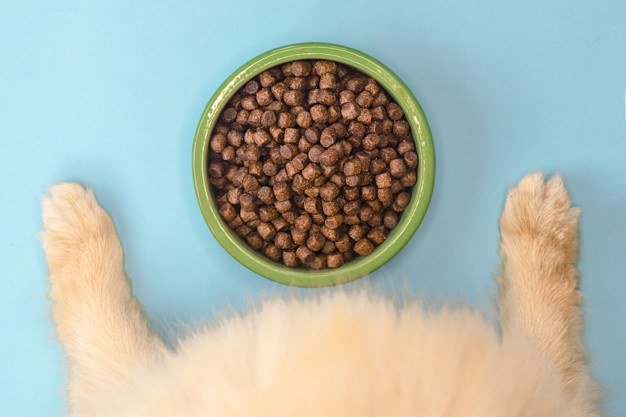
Dry kibble can be offered in moderation, perhaps as a small portion of their daily intake, or used in puzzle feeders for mental stimulation. If feeding dry food, ensure it is a high-quality, meat-based formula. For dental health, some specialized dental kibble exists, but daily brushing remains the most effective method.
The exact daily amount of food will depend on several factors: your cat’s age, weight, activity level, and whether they are spayed/neutered. Always follow the feeding guidelines on the food packaging as a starting point, but adjust as needed to maintain a healthy weight. A good rule of thumb is to monitor your cat’s body condition score – you should be able to feel their ribs easily without seeing them, and they should have a discernible waist. For adult Siamese cats (6-14 lbs), this typically translates to roughly 150-250 calories per day, which might be one 3oz can of wet food plus a small portion of dry, or two 3oz cans of wet food. Kittens, pregnant, or lactating cats will require significantly more calories.
Always ensure fresh, clean water is available at all times. A ceramic or stainless steel water bowl is best, and some cats prefer a running water fountain, which can encourage more hydration.
Real Brand Recommendations
When selecting food, look for brands that list real meat (e.g., chicken, turkey, salmon) as the first ingredient and avoid those with excessive fillers, artificial colors, or by-products. Here are some reputable brands often recommended:
- Wet Food:
- Royal Canin Feline Health Nutrition Siamese Adult Wet Cat Food: Formulated specifically for the breed’s needs.
- Hill’s Science Diet Adult Healthy Cuisine Roasted Chicken & Rice Medley: Offers balanced nutrition with quality ingredients.
- Purina Pro Plan Savor Adult Classic Chicken & Liver Pate: A widely available and well-regarded option.
- Fancy Feast Classic Pate (e.g., Chicken Feast): A more budget-friendly option that many cats enjoy, offering high protein.
- Weruva Paw Lickin’ Chicken in Gravy: Known for high-quality, human-grade ingredients.
- Dry Food (if supplementing or for puzzle feeders):
- Royal Canin Siamese Adult Dry Cat Food: Tailored kibble shape for Siamese jaws and specific nutrient profile.
- Hill’s Science Diet Adult Optimal Care Original: A balanced option for adult cats.
- Purina Pro Plan Savor Adult Shredded Blend Chicken & Rice Formula: Offers varied texture for picky eaters.
Foods to Avoid
Just as important as what to feed is what to avoid. Never feed your Siamese:
- Chocolate: Contains theobromine, which is toxic to cats.
- Onions, Garlic, Chives: Can cause damage to red blood cells.
- Grapes and Raisins: Can cause kidney failure.
- Xylitol (artificial sweetener): Found in many human foods, highly toxic.
- Alcohol: Extremely dangerous, even in small amounts.
- Raw Dough: Yeast can expand in the stomach and produce alcohol.
- Excessive Treats: Can lead to obesity and an unbalanced diet. Treats should make up no more than 10% of their daily caloric intake.
- Uncooked Bones: Can splinter and cause internal damage.
- Dairy Products: Most cats are lactose intolerant and can experience digestive upset.
Always consult with your veterinarian to determine the best dietary plan for your individual Siamese cat, especially if they have specific health concerns or allergies.
Exercise Requirements
Siamese cats are not couch potatoes. They are highly energetic, athletic, and intelligent felines that require a significant amount of physical and mental stimulation to stay healthy and happy. Without adequate outlets for their energy, they can become bored, stressed, and potentially destructive.
Minutes Per Day and Best Activities
An adult Siamese cat needs at least 30-60 minutes of active, interactive play per day, broken into several short sessions. Kittens and younger adults may require even more. These play sessions are not just about burning calories; they are crucial for mental enrichment and strengthening the bond between you and your cat.
Here are some of the best activities for a Siamese:
- Interactive Wand Toys: These are paramount. Toys with feathers, ribbons, or small stuffed animals on the end of a wand mimic prey and allow your cat to stalk, pounce, and
Related Articles You Might Enjoy
- Can Cats Eat Salmon
- Can Cats Eat Yogurt
- Can Cats Eat Blueberries
- German Shepherd Care Guide: Everything You Need to Know (2026)
- Maine Coon Cat Care Guide: Everything You Need to Know (2026)
Browse our shop:
Cat Food | Cat Toys | Cat LitterRecommended Products from Our Shop
Shop Siamese Cat Supplies on Amazon
{“@context”: “https://schema.org”, “@type”: “FAQPage”, “mainEntity”: [{“@type”: “Question”, “name”: “Are Siamese cats good with kids and other pets?”, “acceptedAnswer”: {“@type”: “Answer”, “text”: “Siamese cats can be excellent companions for respectful children and well-socialized pets, including other cats and even cat-friendly dogs. Their playful and social nature often means they enjoy interactive play. However, due to their demanding need for attention, they may not tolerate being ignored or roughly handled. Proper introductions and supervision are key to fostering positive relationships.”}}, {“@type”: “Question”, “name”: “Do Siamese cats shed a lot?”, “acceptedAnswer”: {“@type”: “Answer”, “text”: “Compared to many other breeds, Siamese cats are considered low to moderate shedder. Their short, fine coat doesn’t produce as much loose fur as longer-haired breeds. Weekly brushing is usually sufficient to manage shedding, remove loose hair, and keep their coat healthy and shiny.”}}, {“@type”: “Question”, “name”: “How vocal are Siamese cats?”, “acceptedAnswer”: {“@type”: “Answer”, “text”: “Siamese cats are famously vocal and are known for their distinctive, loud, and often insistent ‘Meezer’ voice. They use a wide range of vocalizations – from chirps and trills to demanding meows and howls – to communicate their needs, desires, and opinions. This characteristic is a major part of their charm for many owners, but it can be overwhelming for those unprepared for a talkative companion.”}}, {“@type”: “Question”, “name”: “Are Siamese cats prone to separation anxiety?”, “acceptedAnswer”: {“@type”: “Answer”, “text”: “Yes, due to their highly social and affectionate nature, Siamese cats can be prone to separation anxiety. They thrive on human companionship and can become distressed if left alone for extended periods. Symptoms may include excessive vocalization, destructive behavior, inappropriate urination, or refusal to eat when their owner is absent. Providing plenty of mental stimulation, interactive toys, and potentially another companion can help mitigate this.”}}, {“@type”: “Question”, “name”: “What is the best environment for a Siamese cat?”, “acceptedAnswer”: {“@type”: “Answer”, “text”: “The ideal environment for a Siamese cat is one that is stimulating, interactive, and rich in companionship. They need plenty of opportunities for play, climbing (cat trees, shelves), and mental engagement (puzzle toys). Crucially, they thrive on human interaction and should not be left alone for long periods. A home where they can be an integral part of family life is best.”}}, {“@type”: “Question”, “name”: “How long do Siamese cats live?”, “acceptedAnswer”: {“@type”: “Answer”, “text”: “Siamese cats are known for their longevity. With proper care, nutrition, and regular veterinary check-ups, they typically live between 15 and 20 years, with many individuals living even longer. This long lifespan means a significant commitment from their owners, but also many years of loving companionship.”}}]}